Office Chair Buying Checklist: 9 Measurements to Take Before You Order
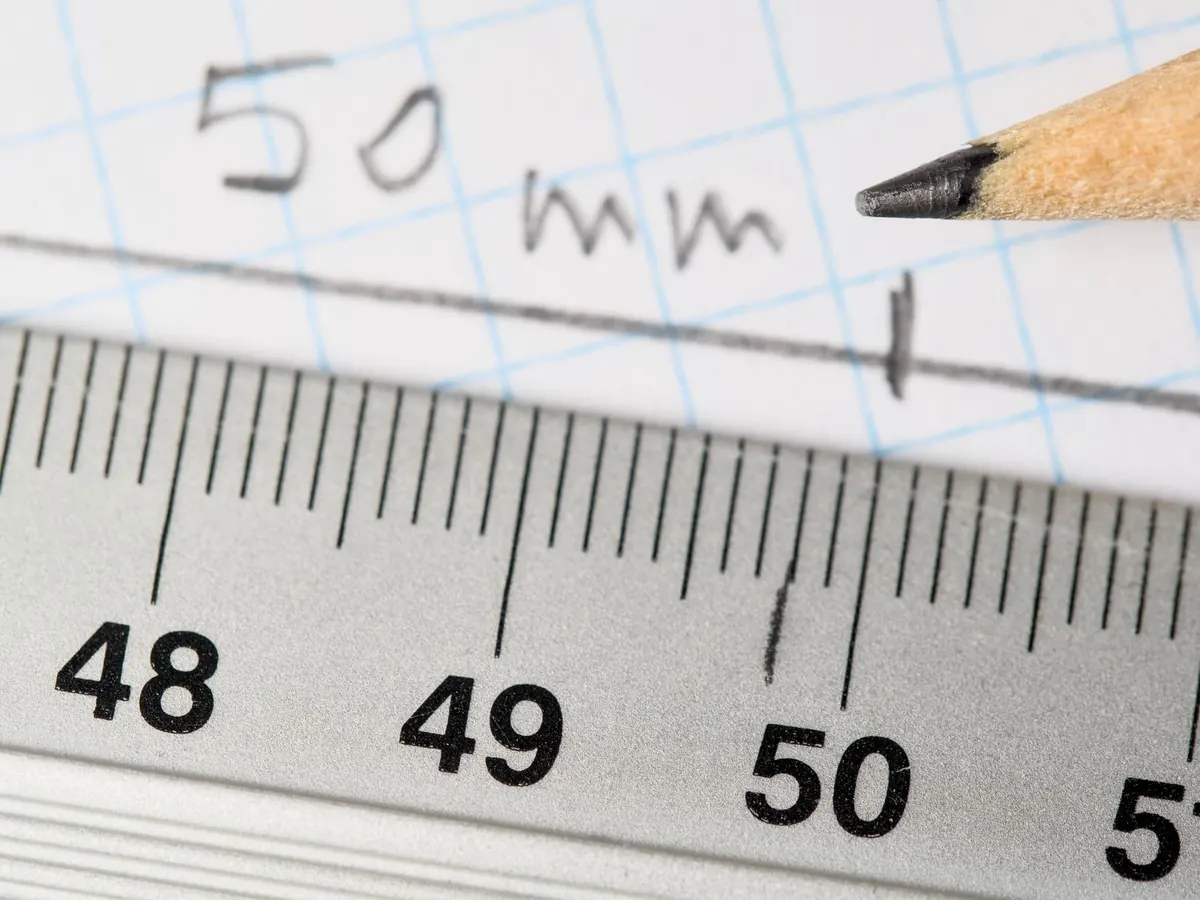
A chair that arrives two inches too tall is not a small disappointment. It is a box to re-tape, a return label to print, and a stretch of standing at your desk while the replacement ships. Most of that is avoidable with a tape measure and twenty quiet minutes. The nine measurements below are the ones that genuinely decide whether a chair fits: your body, your desk, and the floor you have to work with. Write them down before you open a single product page, and you will be comparing chairs against yourself instead of a list of features.
Start With the Seat: Height and Depth
Sit on a hard dining chair with your feet flat and your hips pushed all the way back. Everything in this section is measured from that position, because a soft chair swallows an inch or two and gives you numbers you cannot trust.
1. Popliteal height
This is the measurement most people skip, and it is the one that decides everything else. Find the crease at the back of your knee and measure straight down to the floor. Then add the heel height of the shoes you normally wear indoors; a thick-soled pair changes the number more than you would expect.
That figure is your target seat height. A gas cylinder that adjusts through the middle of the usual range will suit most people, but if your popliteal height sits at either end of the spectrum, a chair's stated height range matters more than its cushion, its mesh, or its warranty. Too high and your feet dangle, pressing the seat edge into the backs of your thighs. Too low and your knees ride above your hips, which rolls your pelvis backward and makes you slouch within the hour.
2. Seat depth
Seated against a wall or a closed book, measure from the rearmost point of your buttocks to the back of your knee. Subtract two to three inches — roughly two or three fingers of clearance. If your measurement is 18 inches, you want a seat pan around 15 to 16. That gap is what stops the front edge from digging into your calves. If you fall between sizes, or you share the chair with someone a head shorter, a sliding seat pan is worth the extra cost.
Fit the Rest of Your Body: Width, Lumbar Curve, Shoulders
3. Hip width
Measure across the widest point of your hips while seated, since hips spread when you sit. Add an inch or two of room on each side, then think honestly about how you actually sit. If you cross one ankle over the opposite knee, or pull a foot up under you, you need more width than your hips alone suggest.
4. Lumbar curve height
Sit tall and locate the inward curve at the small of your back, roughly level with your belt line. Measure from the seat surface up to that point. Now compare it with the chair's lumbar support: a fixed pad should land within about an inch of your number, and an adjustable one should have a range that covers it. A pad sitting four inches above your natural curve pushes your shoulders forward and turns good posture into a fight.
5. Shoulder height
If you want a headrest or a tall back, measure from the seat to the top of your shoulders, and then again to the base of your skull. Any backrest shorter than the first number is a mid-back chair. That is perfectly fine for task work, but it will not support you when you lean back between calls.
Match the Chair to the Desk
A chair can fit you beautifully and still be wrong for the desk it lives under. These three numbers catch that.
6. Seated elbow height
With your shoulders relaxed and forearms level, elbows at roughly 90 degrees, measure from the seat surface to the point of your elbow. Your armrests should adjust to that height. Any higher and your shoulders creep up toward your ears by mid-afternoon. Any lower and you will lean on the desk instead.
7. Desk height and apron depth
Measure from the floor to the underside of the work surface at the front edge. Then measure the depth of anything hanging below it: a drawer box, a support beam, a cable tray. A desk whose top sits at a comfortable height can still leave far less knee room than the headline number implies.
8. Thigh clearance
Seated, measure from the seat surface to the top of your thigh, then add your shoe height. The arithmetic is simple:
Seat height + thigh clearance must be less than the height of the desk underside.
If the sum comes out larger, your legs will hit the apron before the chair tucks in, and you will end up sitting a foot away from your keyboard.
Two Room Measurements Before You Order
Chairs live in rooms, not in catalogs. The last of the nine numbers is about space rather than anatomy, and it is the reason a lot of otherwise good chairs go back.
9. Chair footprint and roll-back room
Mark the footprint of the chair on the floor, either with your current one or with a stack of books roughly the same size. Then add the distance you travel when you roll back to stand, which is usually somewhere between 18 and 24 inches behind the seat. Check what is there: a wall, a radiator, a bookshelf, the corner of a bed.
While you have the tape out, measure the doorway the chair has to come through, plus any tight turn on the way in. And take note of the floor itself — hard casters that glide across carpet can scratch a hardwood floor, so you may want softer wheels or a chair mat.
The Checklist to Print
- Popliteal height — floor to the crease behind your knee, shoes on: ______
- Seat depth — buttocks to the back of your knee, minus two to three inches: ______
- Hip width — widest point, plus an inch or two each side: ______
- Lumbar curve height — seat surface to the small of your back: ______
- Shoulder height — seat surface to the top of your shoulders: ______
- Seated elbow height — seat surface to the point of your elbow: ______
- Desk height and apron depth — floor to underside, plus anything hanging below: ______
- Thigh clearance — seat to top of thigh, plus shoe height: ______
- Footprint and roll-back room — chair base plus 18 to 24 inches: ______
How to Use These Numbers Before You Buy
Put the nine figures in a note on your phone, then filter ruthlessly. Cross off any chair whose seat height range does not bracket your popliteal height. Cross off any chair whose seat depth is more than an inch off your target unless the pan slides. From what remains, keep the two or three with lumbar and armrest adjustment ranges that cover your measurements, and read the return policy before you pay.
If you can sit in one first, do it — ten minutes in a showroom beats an hour of spec-sheet comparison. Keep the packaging until the trial window closes, because chairs are awkward to ship back. And if you have an existing back, hip, or circulation problem, a short conversation with a physiotherapist or physician about what your chair needs to support is worth more than any checklist, including this one.
Photo: Marek Ruczaj / Pexels