Playing to Win: A Realist's Guide to iGaming in 2025
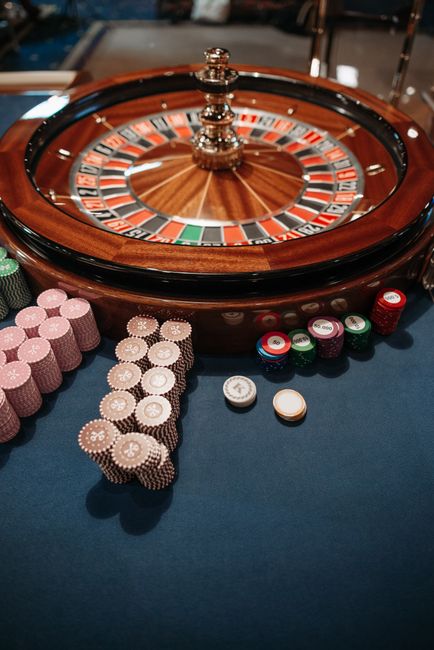
Let's cut through the noise. The iGaming world isn't just a blur of flashing lights and spinning reels; it's a $100 billion-plus industry built on math, psychology, and lightning-fast technology. Whether you're a casual slots spinner, a poker shark, or someone who enjoys a flutter on the weekend, the landscape has shifted dramatically. The days of walking into a smoky room and hoping for the best are long gone. Now, the action is in your pocket, and the edge belongs to those who understand the mechanics.
I've spent years watching players win big and, more often, lose their shirts because they treated gambling like a lottery ticket rather than a game of decisions. This isn't a lecture. It's a reality check and a toolkit. Here's what you actually need to know to navigate the modern casino and betting scene without getting fleeced.
The Slot Machine Truth: RNGs, RTP, and Volatility
Myth: The machine is "due" for a payout. Fact: Modern slots are governed by Random Number Generators (RNGs) that spin millions of outcomes per second. The result of your next spin has zero connection to your last 100 spins. The house edge isn't a physical mechanism; it's a mathematical certainty baked into the code.
So, how do you play smart? You look at the return-to-player (RTP) percentage. This is the theoretical amount a slot pays back over millions of spins. A 96% RTP slot means the house keeps $4 for every $100 wagered—on average. But here's the catch: volatility matters more for your session.
- Low volatility slots (like Starburst) pay small, frequent wins. Great for stretching a bankroll, boring for thrill-seekers.
- High volatility slots (like Book of Dead or Money Train) can go 50 spins without a win, then hit you with a 5,000x multiplier. These are for players who accept long droughts for a shot at a monster payout.
My advice: Never play a high-volatility slot with a bankroll that can't survive 200 spins. If you have $50, do not load up a $1 spin on a brutal slot. You'll be broke before the bonus hits. Match your bankroll to the volatility, not your mood.
Poker: Where the Fish Are, Be the Shark
Poker is the only game in the casino where you play against other players, not the house. That's your edge. The casino takes a rake (a small cut), but if you're better than the others at the table, you profit. The problem? Most players overestimate their skill.
Here's a concrete tip: Track your stats. If you play Texas Hold'em online, use a tracker or at least a spreadsheet. What's your VPIP (Voluntarily Put money In Pot)? If it's above 30%, you're playing too many hands. Good players sit around 18-24%. Are you c-betting (continuation betting) too often? Or not enough? Numbers don't lie, but your memory does.
Another hard truth: Position is king. Playing on the button (dealer position) is like having x-ray vision. You act last on every street, so you get to see what everyone else does before you decide. Don't waste that advantage by folding marginal hands. Steal blinds when you're in late position and it's folded to you. It's not rude; it's profit.
Sports Betting: Think Like a Trader, Not a Fan
Betting on your favorite team because you love them is a recipe for a losing season. The bookmakers set lines based on public money and analytics. Your job isn't to predict the winner; it's to find bets where the odds are mispriced.
Consider this example: The Kansas City Chiefs are -7 against the Raiders. The public hammers the Chiefs because they're popular. The line moves to -9. Now the value is on the Raiders +9, because the true probability might be closer to +7. The best bettors exploit these line moves. They don't just pick a side; they shop for the best number. You can read more about it on L'Avenue Dubai.
Use multiple sportsbooks. That -9 might be -8.5 elsewhere. Over 100 bets, half a point of line value is the difference between a winning and losing year. Also, forget parlays. They're lottery tickets. A two-team parlay doubles your payout but cuts your win probability by more than half. Stick to straight bets or small, calculated underdog moneyline plays.
Bankroll Management: The Unsexy Secret to Longevity
This is the part everyone skips, and it's why 90% of iGaming accounts go bust within six months. Your bankroll is your ammunition. Treat it like a business expense, not a night out.
- Set a hard limit. Decide how much you can afford to lose per month. Not your rent money, not your savings. Money that, if gone, won't change your life.
- Use unit sizing. A unit is 1-2% of your total bankroll. If you have $500, your unit is $5-$10. That's your standard bet. This keeps you in the game during downswings.
- Stop-loss and win-goal. If you lose 50% of your session bankroll, walk away. If you double it, consider locking in profit. Greed is the house's best friend.
Never chase losses. The math doesn't care about your feelings. A 10-spin losing streak on a slot is not a sign that a jackpot is coming. It's just variance. The next spin is independent. Walking away is a skill. Master it.
The Tech Edge: AI, Live Dealers, and Crypto
iGaming technology is evolving faster than regulators can keep up. Live dealer games now stream in 4K, with real cards and real roulette wheels, blending the trust of brick-and-mortar with the convenience of home. AI is being used for personalized bonuses and fraud detection—but also by sharp bettors to model outcomes.
Crypto casinos are a wild west. They offer anonymity, instant withdrawals, and provably fair games where you can verify the RNG. But they also attract scammers and have zero regulatory recourse. If you play with Bitcoin, triple-check the site's reputation. A "provably fair" algorithm is only as good as the operator who wrote it.
My take: Stick to licensed, regulated sites (UKGC, MGA, or state-level US) for 99% of your play. Use crypto only for small, experimental bets. The peace of mind from a regulated dispute process is worth more than a 2% faster withdrawal.
Final Thought: Play the Player, Not the Game
The house always has an edge. That's a fact. But within that edge, there is room for skill, discipline, and smart decision-making. The winners in iGaming aren't the ones who hit a 10,000x slot win (though that's nice). They're the ones who treat it as entertainment with a budget, who study poker ranges, who line-shop sports bets, and who never bet the grocery money.
If you take one thing from this, make it this: The goal isn't to beat the casino every session. The goal is to survive long enough to let variance work in your favor, while having fun and never risking more than you can afford. That's not just gambling advice. That's life advice. Now go spin smart.